Infrared Thermal Imaging Inspection Services
See the Hidden Heat Patterns That Signal Costly Building Problems
Level III Thermography for Commercial Properties
- Why Choose Us
Spot Hidden Building Problems Before They Cost You More
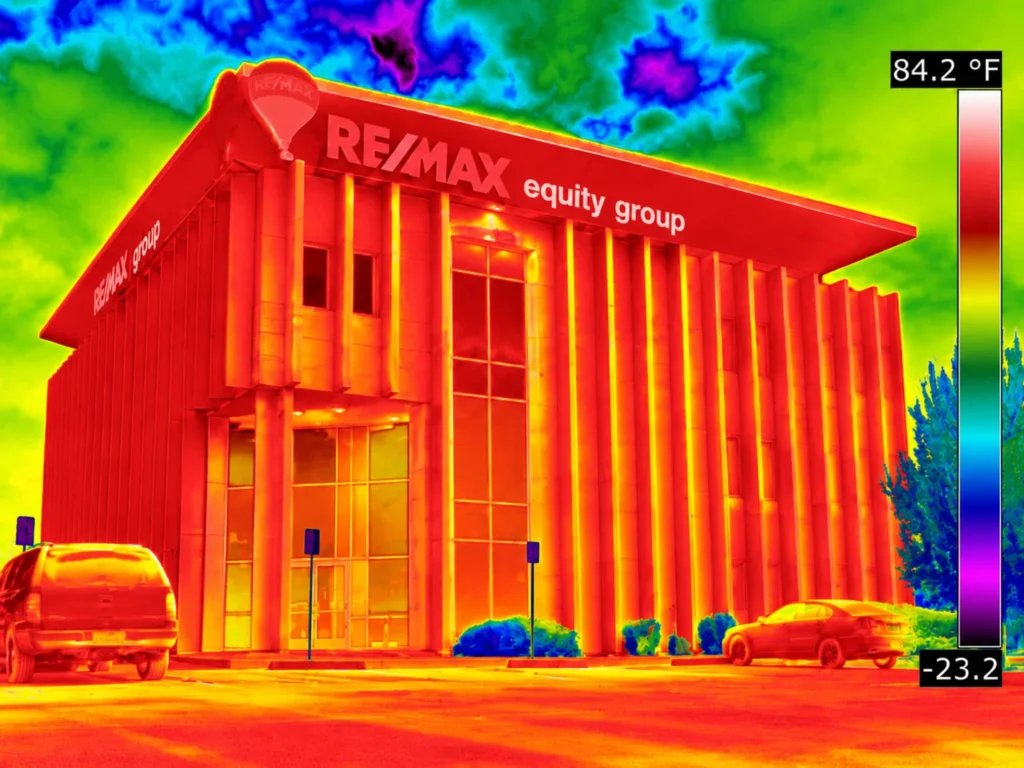
Many of the costliest building failures start where nobody can see them. Water soaks into roof insulation beneath an intact membrane. A loose lug overheats inside an electrical panel. Insulation slumps inside a wall and drives up utility bills. An infrared thermal imaging inspection maps the surface temperature patterns these problems create, so a trained thermographer can pinpoint them without cutting, drilling, or tearing anything apart. Propertyexam confirms suspect areas with moisture meters and hands-on checks, explains each finding in plain terms, and projects what repairs will cost now and in the near term. That knowledge supports smart capital management and value preservation. Infrared findings rarely end a purchase. Instead, they give buyers, owners, lenders, and agents objective facts for negotiation and planning.
- Your Thermographer
Level III Thermography Backed by 35+ Years in the Field
Scott Harris, owner and chief inspector of Propertyexam, performs and interprets every scan. Scott is a FLIR-trained Certified Level III Thermographer, a Certified Master Inspector®, a General Contractor, an engineering graduate, and the author of Commercial Property Maintenance, with thousands of commercial inspections completed. Propertyexam delivers infrared inspection with local service to Oregon & SW Washington, Washington and Idaho by schedule, and unlimited extended service nationwide.
Top-Tier Certification
Level III is the top thermography credential, covering test methods, image analysis, and reporting.
Builder’s Perspective
Decades of construction and plant engineering turn every heat pattern into a practical repair plan.
Infrared Roof Inspection
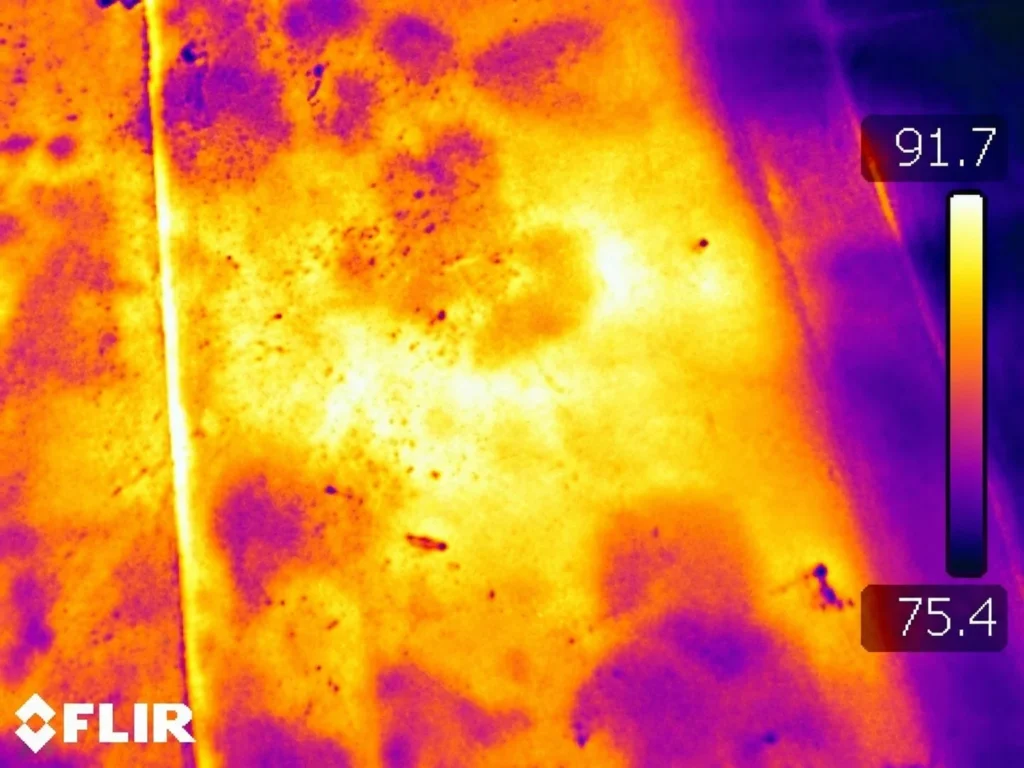
Night scans of low-slope roofs find wet insulation, so you repair damaged areas instead of the whole roof.
Infrared Electrical Inspection
Scans of panels, switchgear, and connections under load reveal overheating parts before they fail.
Building Envelope Thermography
Locates moisture intrusion, missing insulation, and air leakage in walls, ceilings, windows, and floors.
- Advantages
Faster Answers, Fewer Surprises, Smarter Repairs
Professional infrared thermography services deliver fast answers without opening walls or disrupting your operations.
Non-Destructive
No cutting, drilling, or demolition. Finishes, roofing, and equipment stay intact throughout the scan.
Fast Coverage
One scan covers large roofs, long corridors, and full electrical rooms in hours instead of days of probing.
Verified Findings
Moisture meters and field checks confirm suspect readings, so you act on facts instead of guesswork.
Lower Repair Costs
Targeted repairs replace broad tear-outs, and early fixes cost far less than emergency replacements.
What Happens During Your Thermal Scan
Each thermal imaging inspection follows recognized industry practice, including ASTM C1153 for roofs and NFPA 70B guidance for electrical gear.
Scope and Timing
Roof scans start after sunset following a dry, sunny day. Electrical scans run with equipment under load.
Radiometric Survey
A high-resolution camera records temperature data across roofs, walls, panels, and mechanical systems.
Verification and Analysis
Moisture meters, visual checks, and Level III interpretation separate true defects from harmless anomalies.
- Reporting
What Your Infrared Thermography Report Shows
Each finding pairs a thermal image with a matching digital photo, so everyone on your team can see exactly where the problem sits. Plain-language notes, priority rankings, and repair cost projections help you budget with confidence.
- Paired thermal and digital photographs
- Mapped areas of suspected wet insulation
- Electrical hot spots ranked by severity
- Recommended repairs and specialist referrals
- Immediate and short-term cost projections
Properties That Benefit From Infrared
A commercial infrared inspection serves warehouses, offices, retail centers, apartments, hotels, schools, medical buildings, manufacturing plants, and equestrian facilities.
Included With Every Inspection
Infrared thermal imaging for moisture intrusion is included with every commercial inspection. Recurring or standalone scans are priced in a separate written proposal.
Recurring Maintenance Scans
Scheduled scans support NFPA 70B programs and long-term capital planning.
Credentials That Back Every Scan
- Certified Level III Thermographer, FLIR trained
- Certified Master Inspector® and General Contractor
- BPI Certified Building Analyst and analyst trainer
- Author of the book Commercial Property Maintenance

- Testimonials
What Property Owners Say About Scott
Investors, facility managers, agents, and public agencies count on Scott for careful scans and straight answers. Read their reviews below.


 Trustindex verifies that the original source of the review is Google.
 Trustindex verifies that the original source of the review is Google.
 Trustindex verifies that the original source of the review is Google.
 Trustindex verifies that the original source of the review is Google.
 Trustindex verifies that the original source of the review is Google.
 Trustindex verifies that the original source of the review is Google.