
More and more, home buyers and renters are asking about radon levels before they buy or rent a home. Because real estate sales happen quickly, there is often little time to deal with radon and other issues. The best thing to do is to test for radon NOW and save the results in case the buyer is interested in them. Fix a problem if it exists so it won’t complicate your home sale. If you are planning to move, read EPA’s pamphlet “Home Buyer’s and Seller’s Guide to Radon,” which addresses some common questions (see also Radon in Real Estate). You can also use the results of two short-term tests done side-by-side (four inches apart) to decide whether to fix your home.
During home sales:
Buyers often ask if a home has been tested, and if elevated levels were reduced.
Buyers frequently want tests made by someone who is not involved in the home sale. Your state radon office can assist you in identifying a qualified tester.
Buyers might want to know the radon levels in areas of the home (like a basement they plan to finish) that the seller might not otherwise test.
Today many homes are built to prevent radon from coming in. Building codes in your state or local area may require these radon-resistant construction features. If you are buying or renting a new home, ask the owner or builder if it has radon-resistant features. The EPA recommends building new homes with radon-resistant features in high radon potential (Zone 1) areas. Even if built radon-resistant, every new home should be tested for radon after occupancy. If you have a test result of 4 pCi/L or more, consult a qualified mitigator to estimate the cost of upgrading to an active system by adding a vent fan to reduce the radon level. In an existing home, the cost to install a radon mitigation system is about the same as for other common home repairs. For more information, refer to EPA’s Map of Radon Zones and other useful EPA documents on radon-resistant new construction (see publications). See also EPA’s Indoor airPLUS new homes certification program.
Radon in Water
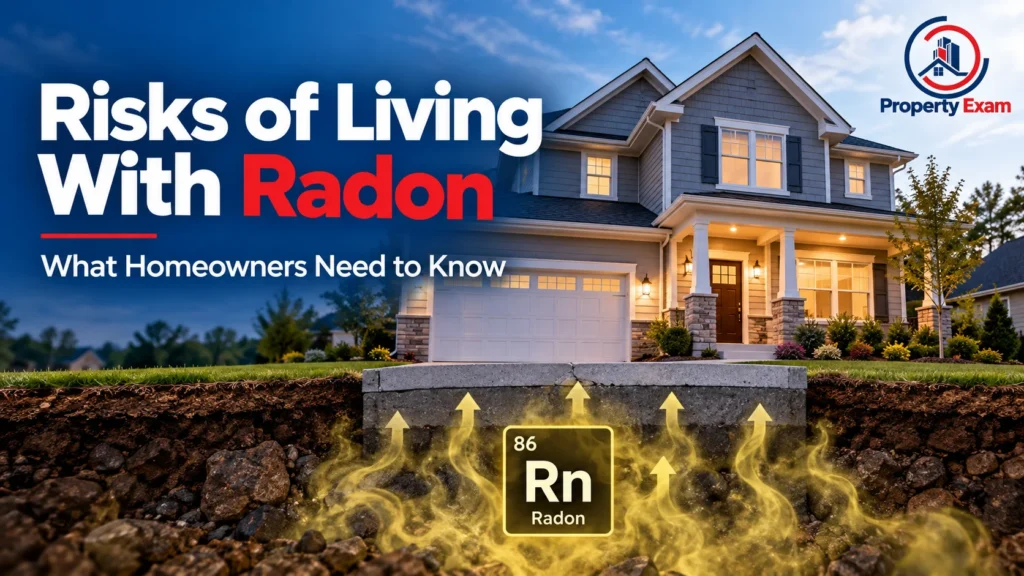
There are two main sources for the radon in your home’s indoor air, the soil and the water supply. Compared to radon entering the home through water, radon entering your home through the soil is usually a much larger risk.
The radon in your water supply poses an inhalation risk and an ingestion risk. Research has shown that your risk of lung cancer from breathing radon in air is much larger than your risk of stomach cancer from swallowing water with radon in it. Most of your risk from radon in water comes from radon released into the air when water is used for showering and other household purposes.
Radon in your home’s water is not usually a problem when its source is surface water. A radon in water problem is more likely when its source is ground water, e.g. a private well or a public water supply system that uses ground water. If you are concerned that radon may be entering your home through the water and your water comes from a public water supply, contact your water supplier.
If you’ve tested your private well and have a radon in water problem, it can be fixed. Your home’s water supply can be treated in two ways. Point-of-entry treatment can effectively remove radon from the water before it enters your home. Point-of-use treatment devices remove radon from your water at the tap, but only treat a small portion of the water you use and are not effective in reducing the risk from breathing radon released into the air from all water used in the home.
The Risk of Living With Radon
Scientists are more certain about radon risks than from most other cancer-causing substances.
Radon gas decays into radioactive particles that can get trapped in your lungs when you breathe. As they break down further, these particles release small bursts of energy. This can damage lung tissue and lead to lung cancer over the course of your lifetime. Not everyone exposed to elevated levels of radon will develop lung cancer. And the amount of time between exposure and the onset of the disease may be many years.
Like other environmental pollutants, there is some uncertainty about the magnitude of radon health risks. However, we know more about radon risks than risks from most other cancer-causing substances. This is because estimates of radon risks are based on studies of cancer in humans (underground miners).
sneezing
Smoking combined with radon is an especially serious health risk. Stop smoking and lower your radon level to reduce your lung cancer risk.
Children have been reported to have greater risk than adults of certain types of cancer from radiation, but there are currently no conclusive data on whether children are at greater risk than adults from radon.
For more information, call EPA’s Drinking Water Hotline at (800) 426-4791 or visit www.epa.gov/safewater/radon.html If your water comes from a private well, you can also contact your state radon office.